The Struggle for Newer Social Media Apps to Compete
Can newer social media break the glass ceiling?
March 06, 2026 / by JR Carag / 4 mins read
The social media landscape hasn't really changed all that much. For the better part of a decade, Facebook, Instagram, and Twitter (yes, we know it’s X now) have remained the big three. Only TikTok has managed to break through the noise and genuinely shift the conversation with a new format and experience. But for every TikTok, there are dozens of other platforms that launch, trend briefly, then quietly fade into obscurity. Why does it seem almost impossible for new social media apps to catch on in a lasting way? That’s exactly what we’re diving into in this article.
And if you're looking to stay connected to your favorite social media apps with speed and reliability, check out the smartphone lineup at Next Upgrade Shop, including the Samsung Galaxy A06 5G.
From Friendster to Facebook: The Golden Era of New Platforms
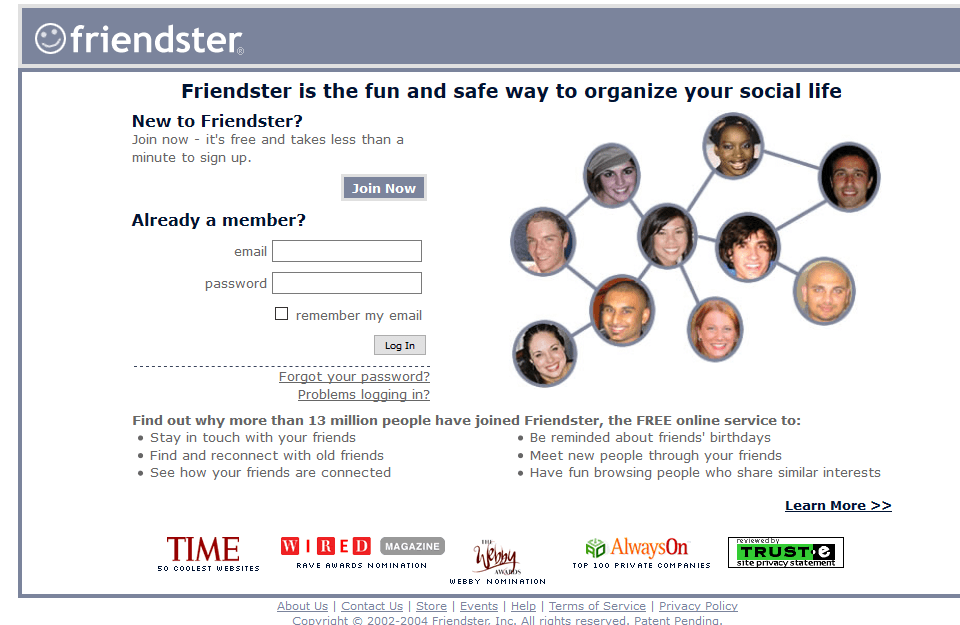
From Web Design Museum
Let's start with a bit of history to contextualize our situation. In the early 2000s, social media was in a constant state of reinvention. People hopped from Friendster to Multiply to MySpace in the span of just a few years. Each platform felt fresh and experimental, trying different ways to connect users through music playlists, testimonials, blog posts, or profile customization. But when Facebook launched and offered a cleaner, more structured experience, it was like hitting the social media jackpot. It didn't just catch on; it took over. Suddenly, people weren't looking for the next thing anymore—they'd found what they were looking for, and they stayed.
Stayed in such a way that the next big leaps in social media weren't replacements, but just added options. Instagram became the photo sharing app. Twitter became the opinion sharing app. TikTok became the short form video sharing app. People use all of them in conjunction with one another.
There are no takeovers any more.
Why is that?
The Algorithm Arms Race
One major hurdle is how deeply users have grown accustomed to the finely tuned algorithms of big platforms. These algorithms know what you like, what you linger on, and when to show it. New platforms rarely start off with the same level of personalization or predictive power, and that leaves users feeling like the experience is flat or less engaging. People now expect their feeds to be tailored within a few days, and when that doesn’t happen, they’re quick to lose interest. Without that dopamine-driven feedback loop, it’s tough to keep users coming back.
Copycats Don’t Stick
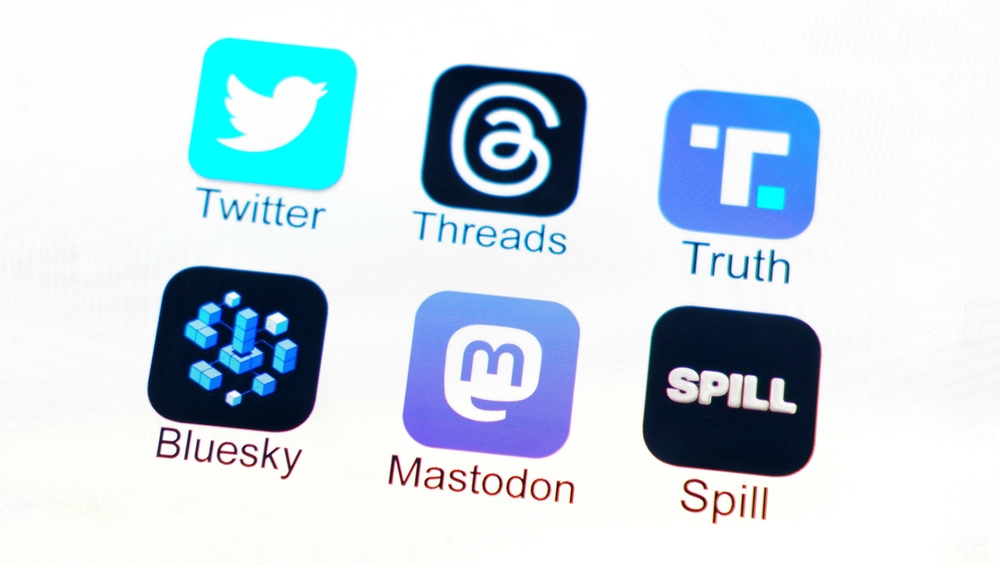
Another reason new apps struggle is that many of them lack a unique identity. A lot of platforms enter the space trying to be "the next Twitter" or "Instagram but better" without truly rethinking the user experience. Clones can capture curiosity but rarely loyalty. BeReal made headlines for a while, but the novelty wore off quickly because there was no long-term hook. TikTok succeeded not because it was like Vine, but because it evolved short-form video into something algorithmically sticky and culturally engaging. If a new app doesn’t have something fundamentally different to offer, users won’t find a reason to leave what they already know.
The Power of Habit and Legacy Networks
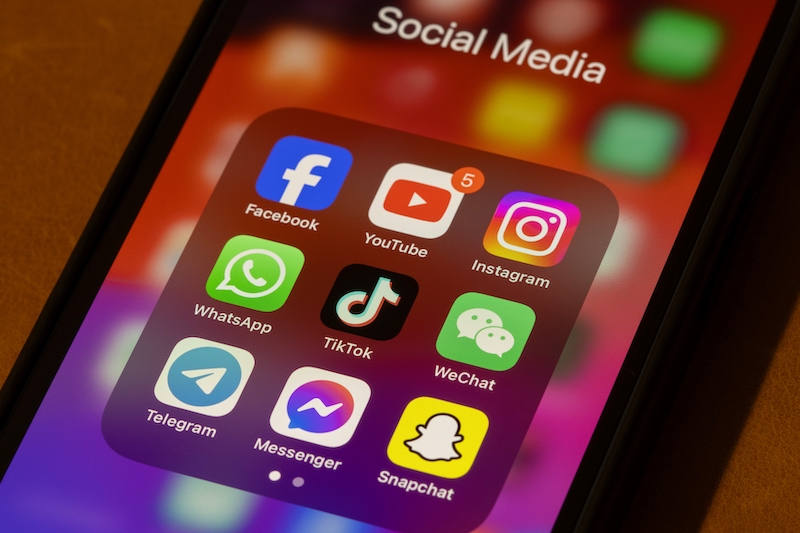
It’s not just about originality—it’s also about where people are already investing their time and social capital. Social media isn't just a tool; it's a habit, a reflex, and sometimes even a part of someone's identity. Existing platforms benefit from network effects, meaning your friends, favorite creators, and community groups are already there. That makes it difficult to convince someone to uproot their digital life and start fresh somewhere else. Even when frustrations grow (looking at you, algorithm changes), users tend to grumble and stay, rather than make the jump.
Can New Platforms Still Make It?
Yes—but it’s going to take more than a slick interface and a marketing blitz. The next big social media hit will need to understand not just where the current platforms fall short, but also what people genuinely want from a digital community. It can’t just be a prettier Instagram or a kinder Twitter. It needs to be brave enough to rethink how we connect, share, and build community online. The appetite for new experiences is still out there, but success means not falling into the same patterns that doomed the many before it.
Stay Connected, Stay Ahead with Next Upgrade Shop
Power your scrolls, shares, and stories with a smartphone from Next Upgrade Shop. The Samsung Galaxy A06 5G is your perfect daily companion for a fast, reliable social media experience.

AUTHOR
JR Carag
Content Writer
JR is a Content Writer for Next Upgrade Shop, favoring listicles about Technology and Gaming. His main passion is writing his fiction web novel, which he’s been publishing for a subscription-based website since 2021. As a former law student, JR also does freelance legal writing and research when he has time. He enjoys watching video essays about various topics on YouTube, and fantasy booking storylines for his favorite professional wrestling promotions.
